Welcome to the Walden Metal Site .
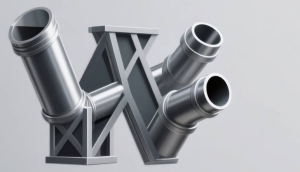
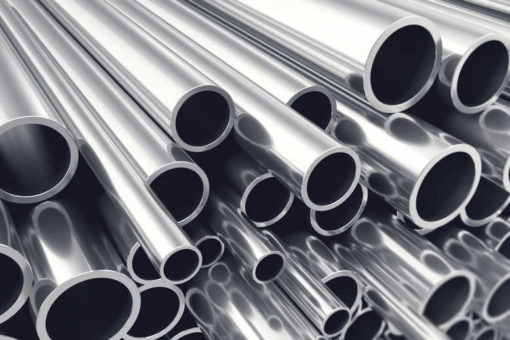
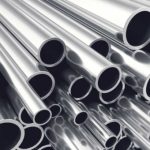
Pipes are the unsung heroes of modern civilization, the hidden arteries that carry the lifeblood of our resources—water, gas, oil, and steam—safely and efficiently from source to destination. The evolution of pipe products from simple clay conduits to sophisticated engineered systems mirrors the advancement of human technology itself. Today, the pipe industry is a dynamic field where material science, manufacturing precision, and stringent quality control converge to meet the demands of everything from residential plumbing to colossal industrial plants. At companies like Walden Metal, the philosophy is that a pipe is not just a tube; it’s a critical component whose integrity is non-negotiable.
Materials and Manufacturing: The Foundation of Performance
The choice of material for a pipe is dictated by its application, and the range is vast:
Steel Pipes: Known for their exceptional strength and durability, steel pipes are the backbone of high-pressure and high-temperature applications. They are commonly divided into Seamless (ideal for high-stress environments like oil and gas exploration) and Welded (more cost-effective for structural and lower-pressure fluid transport). The manufacturing process, whether hot-finished or cold-drawn, significantly impacts the pipe’s grain structure and mechanical properties.
Stainless Steel Pipes: When corrosion resistance is paramount, stainless steel is the material of choice. Alloyed with chromium and nickel, it withstands aggressive chemicals, extreme temperatures, and hygienic requirements, making it essential for the food and beverage, pharmaceutical, and chemical processing industries.
Copper Pipes: A long-standing favorite for potable water systems due to their inherent corrosion resistance, bacteriostatic properties, and reliability. They are easily joined by soldering (brazing) and offer a long service life.
Ductile Iron Pipes: Offering a superior strength-to-weight ratio compared to cast iron and excellent corrosion resistance, ductile iron is frequently used for municipal water and sewage mains, providing longevity and resilience.
HDPE (High-Density Polyethylene) Pipes: In the realm of plastics, HDPE has revolutionized many applications. Its flexibility, corrosion resistance, and ability to be fused into leak-free, continuous lines make it ideal for water distribution, gas lines, and environmental drainage.
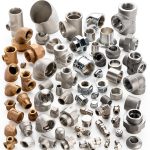
Fitting Products – The Critical Connectors in Fluid Systems
The Precision Engineering Behind the Product
Modern pipe manufacturing is a testament to precision engineering. At a quality-focused manufacturer like Walden Metal, the process involves far more than just shaping metal. It begins with rigorous material selection, sourcing raw materials from certified suppliers with verifiable chemical composition and mechanical properties. During production, non-destructive testing (NDT) is ubiquitous. Techniques like ultrasonic testing detect hidden flaws in seamless pipes, while hydrostatic testing subjects every pipe, or a statistical sample from every batch, to pressures far exceeding its rated working pressure to ensure it can handle real-world stresses.
Furthermore, surface treatment and finishing are critical. Pipes may be galvanized (coated with zinc) to prevent rust, beveled to specific angles for perfect welding preparation, or given specialized internal linings like cement mortar or epoxy to preserve water quality and flow efficiency. This meticulous attention to detail ensures that when a pipe leaves the facility, it is not just a product but a certified component ready for decades of reliable service.
Applications and the Future
The application spectrum for pipe products is boundless. In the construction sector, they form the plumbing, heating, and fire suppression systems of skyscrapers. In energy, they transport crude oil from deep-sea wells and natural gas across continents. In manufacturing, they carry process fluids, coolants, and steam.
Looking ahead, the industry is driven by several key trends. There is a growing emphasis on sustainability, leading to increased recycling of materials and the development of more energy-efficient manufacturing processes. The integration of smart technology, such as embedding sensors within pipe walls to monitor pressure, flow, and structural health in real-time, is the next frontier. Companies like Walden Metal are at the forefront of this innovation, understanding that the future of piping lies not only in what it carries but in the data it can provide, ensuring safer, smarter, and more efficient infrastructure for generations to come.